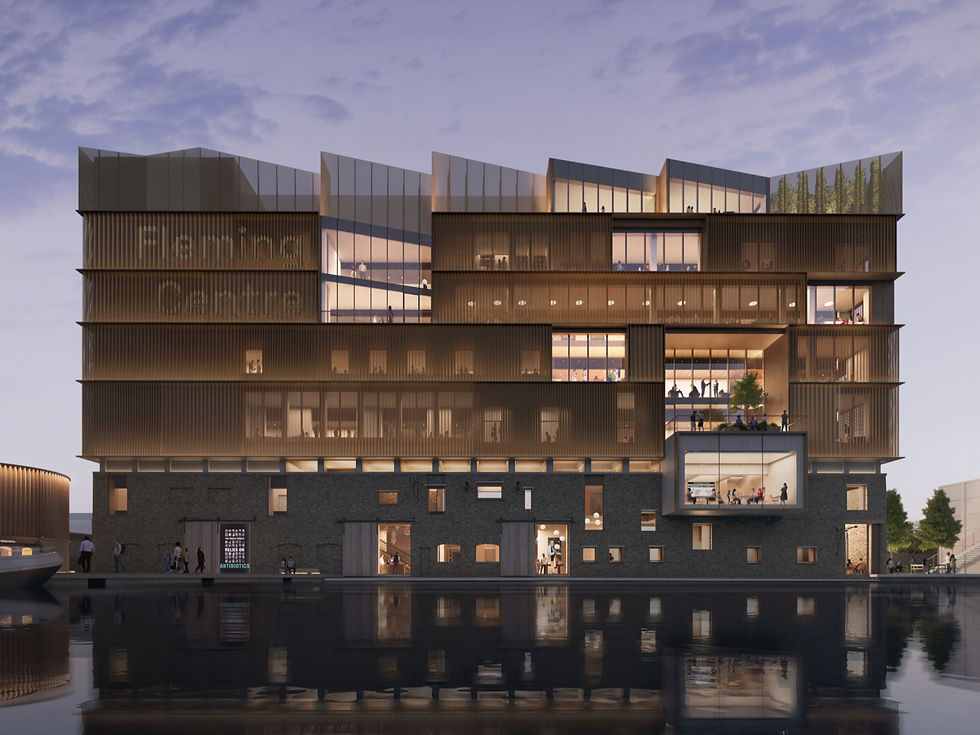
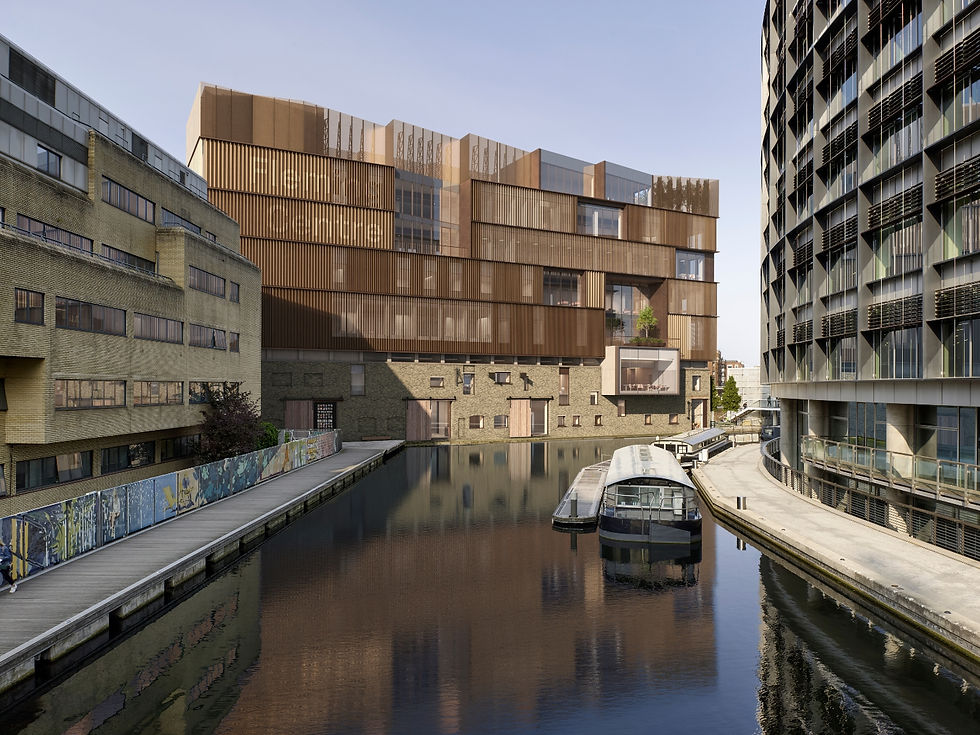
Imagined together: a space connecting the public with AMR
When we began imagining what the Fleming Centre could be – and in particular, what an exhibition about antimicrobial resistance (AMR) might look like within it – we made a deliberate choice to involve the people who would be using the space from the beginning.
AMR is one of the most significant public health challenges of our time. But it is also a topic that can feel too complex or distant. If we wanted to create a space that genuinely resonated with people and empowered them to take actions, we needed to understand what they wanted to know, feel, and do in that space.
In October 2025, we ran two consultation workshops with 23 participants to inform our permanent AMR exhibition in the Fleming Centre. Aged 16 to 32, participants represented the primary target audience for our exhibition – a group at a life stage that runs from making their first independent health decisions, to beginning to make those decisions for the next generation. They are also a socially and culturally connected, influential group and can thus be positioned as agents of change contributing to AMR solutions.
Photography from the audience consultation workshop © Anand Jagatia
What do people really want to know about AMR?
In the workshops, we first invited people to raise their burning questions about AMR without any pre-existing prompts from us. Our participants were genuinely curious about:
How do bacteria become resistant to antibiotics, and why does that process happen?
What are the alternatives when medicines stop working?
How does AMR connect to climate change, and to the food we eat?
Are some communities affected more than others, and if so, why?
What are researchers doing right now to find new solutions?
What can individuals do to help tackle this problem?
“The curiosity that encourages children to learn about the world around them doesn’t disappear as you get older. Understanding what people want to know in the first place is the foundation on which we must build from, if we want a resource – because that is fundamentally what this exhibition will be – to make an impact on, and resonate with, those who will use it.”
Yufan Chen, Public Engagement and Involvement Officer
What messages strike the most?
We then explored with the participants what they felt would make AMR communication land effectively. Several themes emerged:
AMR affects all of us
The scale of the problem is real, but so is the potential for change
Solutions need to feel tangible
Data and stats should be accessible
How research connects to policy and public health decisions
“These insights also felt like a direct echo of our own communications principles at the Fleming Initiative. It was encouraging to hear participants articulate the need to feel the reality of AMR, to understand its scale, and to see themselves in its solution. Their instinct that AMR requires a convergence of efforts, with people, disciplines and solutions working side-by-side rather than in silos, mirrors exactly the approach the Initiative is taking. Our task now is to keep telling that story, even louder and clearer.”
Mikayla Hu, Communication and Events Officer
What can a public space about AMR be?
When asked to imagine an AMR exhibition space, participants described wanting a place people genuinely want to spend time. Somewhere welcoming, social and enjoyable, not just informative.
“My hope is that people walk away feeling like they can do something about AMR. Whether it's washing their hands, taking their full round of antibiotics, people [should be] feeling informed and equipped with the knowledge to know how to combat this threat.”
Ingeborg Hyde, workshop participant
“I think it's really important for the public to be able to access information, especially about AMR, because I think it's such a big global issue that not enough people know about. And if there's an exhibition that's free and easy to access, then [people will] be able to learn more and spread awareness about AMR.”
Chloe Tan, workshop participant
They talked about the power of personal stories from patients, researchers, healthcare professionals and communities to create emotional connection with the science. And they championed for more interactive experiences that spark curiosity and invite active learning. They also emphasised that the exhibition should enable participation in finding solutions to AMR, and illustrate that they are making a difference together with the researchers, clinicians and policymakers.
“Working with young people equips us with the confidence to create content and exhibition experiences which will effectively engage our target audience. Their insights have been invaluable for developing our key messages and choosing which areas of content to focus on. To continue our sustained engagement with young people we formed a Youth Panel who meet monthly to share ideas and feedback on the exhibition development.”
Amy Davy, Exhibition Content Developer